
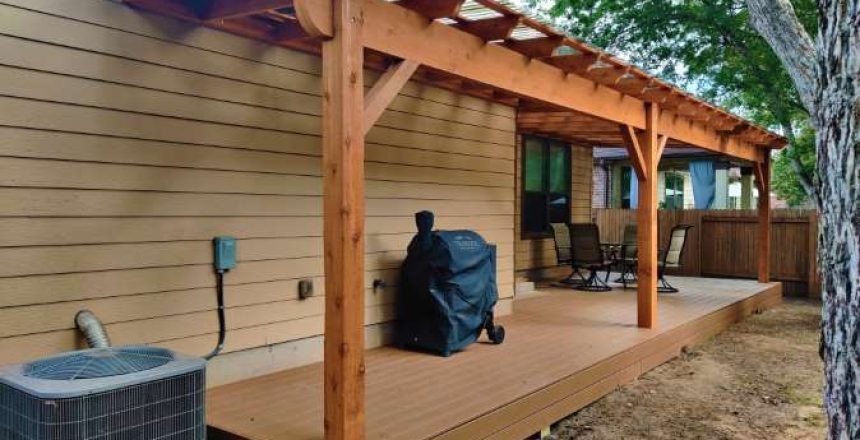
Embarking on the journey to build a pergola transforms your outdoor space into an inviting oasis, blending aesthetics with functionality. The financial commitment required for this endeavor hinges on a spectrum of factors, from the choice of materials—ranging from classic wood to modern fiberglass—to the pergola’s dimensions and the intricacy of its design. Whether you’re inclined towards a do-it-yourself project or considering professional installation, the cost dynamics vary significantly. This guide meticulously breaks down these variables, offering a clear roadmap of the financial landscape for constructing a pergola. It navigates through the nuances of selecting materials that strike a balance between cost-efficiency and durability, the implications of design complexity on your budget, and the strategic decisions between DIY versus professional craftsmanship. By delving into these critical considerations, this guide empowers you to make well-informed decisions, ensuring that your pergola not only enhances your outdoor living experience but also aligns with your financial planning.
Table of Contents
ToggleWhat is a Pergola?
A pergola is an outdoor structure, often crafted from materials such as wood, metal, vinyl, or fiberglass. It stands out for its open lattice or cross-beam roof, supported by columns or posts, providing a unique blend of shade and open air. Pergolas are celebrated for their ability to transform garden, patio, or deck areas into stylish outdoor living spaces. They strike a perfect balance between sunlight and shadow, making them ideal for entertainment, gardening, or relaxation.
The structure’s design versatility allows it to serve as a beautiful framework for climbing plants, enhancing both the beauty and privacy of outdoor environments. Whether you’re drawn to the natural elegance of wood or the durability of metal and vinyl, pergolas offer a range of options to suit various tastes and needs. Their popularity stems from not just their functional benefits, but also from their ability to significantly boost the aesthetic appeal of outdoor spaces.
Factors Affecting Pergola Building Costs
The journey to constructing a pergola involves navigating through various cost-influencing factors. At the heart of budget considerations are the materials used, such as wood, metal, vinyl, and fiberglass. Each material comes with its own price tag and longevity, affecting the overall investment. The size of the pergola is another pivotal factor; naturally, larger structures demand more materials and labor, escalating the costs.
Customization and design complexity introduce another layer of financial planning. Designs ranging from basic to highly customized can significantly alter the cost due to the intricacies involved in construction. Moreover, labor costs vary dramatically between opting for a DIY approach and hiring professionals. While the former can be cost-saving, the latter ensures expertise and efficiency but at a higher price point.
Understanding these factors is crucial for anyone venturing into pergola construction. It not only aids in precise budgeting but also in making informed decisions that align with both aesthetic desires and financial constraints.
Materials Used
The selection of materials greatly impacts the pergola’s cost, each offering unique benefits. Wood provides a classic, natural look but may require more maintenance. Metal is durable and offers a sleek, modern aesthetic. Vinyl is celebrated for its low maintenance and longevity, while fiberglass combines the best of durability and light weight, albeit often at a higher cost.
Size of the Pergola
The size of the pergola directly influences the budget, with costs escalating from small (<100 sq ft) to **medium** (100-200 sq ft) to **large** (>200 sq ft) structures. The larger the pergola, the more materials and labor are necessary, increasing the overall expense.
Customization and Design Complexity
The degree of customization and design complexity can significantly vary the cost. Basic designs are more budget-friendly, moderate customizations introduce unique but costlier elements, and high customization levels involve intricate designs and premium materials, leading to the highest expenses.
Labor Costs
Labor costs fluctuate based on whether a DIY approach or professional installation is chosen. A DIY project can cut costs but demands time and expertise. In contrast, hiring professionals ensures a swift and high-quality build, though it incurs higher fees. The choice should balance between budget constraints and the desired quality of the finished pergola.
Average Cost Range for Building a Pergola
Constructing a pergola involves a wide cost range, heavily influenced by materials, size, design complexity, and labor. At the lower end, basic, small-sized pergolas crafted from more affordable materials such as certain woods or vinyl, can begin at approximately $2,000. For mid-range projects, which include medium-sized pergolas with moderate customization and utilizing more durable materials like metal or higher-quality wood, costs typically hover between $5,000 and $8,000. On the high end, those desiring large, intricately customized pergolas made with premium materials like fiberglass or top-tier wood, can expect to invest above $10,000. This broad spectrum highlights the critical role of detailed planning and budgeting, enabling homeowners to balance their pergola project’s aesthetic aspirations with their financial limits.
Low-end vs. High-end Pergola Costs
The financial landscape of pergola construction spans from low-end to high-end investments, primarily shaped by materials, size, design, and labor. Low-end pergolas are often more compact and utilize cost-effective materials such as specific woods or vinyl, leading to prices ranging from $2,000 to $5,000. These structures typically embody simpler designs, potentially making them suitable for DIY projects, which can further economize the undertaking.
Conversely, high-end pergolas stand out through their employment of premium materials like superior wood, metal, or fiberglass, alongside larger scales and extensive customization. These attributes drive costs significantly higher, with figures starting above $10,000 and, in instances of exceptional complexity and size, soaring to $20,000 or beyond. The intricate designs and premium materials of high-end pergolas generally necessitate professional installation, ensuring durability and a distinct aesthetic appeal but at a steeper price point.
Reducing Costs for Your Pergola Project
To economize your pergola project, strategic decisions regarding materials, design, and the construction approach are essential. Choosing cost-effective materials like certain woods or vinyl can lead to substantial savings, while still maintaining a pleasing aesthetic and reasonable durability. Simpler designs not only cut down on the need for expensive materials but also make the construction process less complex and more budget-friendly.
Furthermore, weighing the pros and cons of a DIY approach versus professional installation is crucial. A DIY project can significantly reduce labor costs, provided you have the necessary skills and time. On the other hand, professionals guarantee quality and efficiency, albeit at a higher cost. By carefully considering these factors, you can achieve a balance between affordability and the desired outcome of your pergola project, ensuring both quality and satisfaction within a manageable budget.
Choosing Cost-Effective Materials
Opting for cost-effective materials such as select woods or vinyl can significantly reduce the financial footprint of your pergola project. These materials strike a delicate balance between affordability, durability, and aesthetic appeal, serving as ideal selections for budget-conscious endeavors.
Comparing Price and Durability of Materials
A critical step is to evaluate both the cost and longevity of your chosen materials. Some options may seem economical initially but could incur higher long-term expenses due to maintenance or replacement needs. Conversely, pricier materials might offer savings over time thanks to their durability.
Opting for a Simpler Design
Embracing a simpler design can lead to considerable savings. By minimizing complexity, you reduce both the quantity of materials required and the labor involved, allowing for an attractive outdoor feature without an exorbitant price tag.
Examples of Cost-Saving Designs
Cost-saving designs typically feature straightforward, less elaborate structures. A classic example is a pergola with a simple rectangular base and a basic lattice roof, which avoids the need for expensive customizations while still enhancing outdoor spaces.
DIY vs. Hiring Professionals
The choice between undertaking a DIY project or hiring professional installers significantly influences your budget. DIY can slash labor costs but demands time, tools, and a certain skill level. In contrast, professionals bring expertise and efficiency, albeit at a higher cost.
Pros and Cons of Each Approach
DIY projects boast lower expenses and the personal satisfaction of hands-on involvement but carry the risk of errors and the challenge of acquiring the necessary skills and tools. Professional installation, though costlier, offers the assurance of quality, speed, and often a warranty, providing peace of mind and a potentially higher value investment for those prioritizing craftsmanship and durability.
Pre-building Considerations
Before diving into the construction of a pergola, it’s imperative to address several pre-building considerations that are key to the project’s success and legality. Identifying the purpose of the pergola—be it for entertainment, a green space for gardening, or a tranquil spot for relaxation—helps in tailoring the design and material choices to fit your needs.
Equally important is understanding local building codes and permits. This step is crucial to ensure your pergola project complies with local regulations, avoiding potential legal issues and ensuring the structure’s safety.
Lastly, a thorough evaluation of the space and location where the pergola will be built is essential. Considerations such as the amount of sunlight the area receives, the levelness of the ground, and how the pergola will aesthetically complement your outdoor space are all factors that influence the final design and placement. Taking these factors into account before construction begins lays a solid foundation for a successful pergola project that meets your expectations and enhances your outdoor living experience.
Assessing the Purpose of the Pergola
Identifying the purpose of your pergola is a pivotal initial step. Whether it’s intended for entertainment, as a lush nook for gardening, or a tranquil retreat for relaxation, this decision shapes the project’s design, material selection, and overall direction, ensuring the pergola enhances your outdoor living experience in a meaningful way.
Checking Local Building Codes and Permits
Prior to construction, it’s crucial to navigate local building codes and secure necessary permits. This diligence ensures your pergola adheres to local safety standards and regulations, helping to avoid legal issues. Familiarizing yourself with these approvals and restrictions early can significantly influence both the design and placement of your pergola.
Evaluating the Space and Location
Carefully evaluating the space and location for your pergola is essential. Key considerations include the amount of sunlight the area receives, the levelness of the ground, and how the pergola will aesthetically complement your outdoor space. These aspects not only impact the pergola’s functionality but also its ability to harmonize with the surrounding environment, ultimately enhancing the beauty and enjoyment of your outdoor area.
Long-term Maintenance Costs
Considering the long-term maintenance costs is essential for anyone planning to add a pergola to their outdoor space. These costs can significantly vary, largely influenced by the materials chosen and the environmental conditions to which the pergola is subjected. For example, wood structures may necessitate frequent staining or sealing to combat weathering and decay, while metal pergolas could require rust prevention measures. In contrast, vinyl and fiberglass pergolas are known for their low maintenance needs, though they still benefit from occasional cleaning to preserve their look. Understanding and planning for these ongoing expenses is key to ensuring that your pergola remains an enduring and valuable enhancement to your outdoor living area.
Regular Upkeep and Potential Repairs
Ensuring the longevity and aesthetic appeal of your pergola involves regular upkeep, which is crucial for both its appearance and functionality. Maintenance tasks such as cleaning, reapplying stains or paints to wood, and protecting metal from rust are essential to shield your pergola from environmental wear and tear. Furthermore, potential repairs might become necessary to address issues caused by weather exposure, aging, or unforeseen damages. These repairs can range from replacing deteriorated components, tightening loose fittings, to rectifying structural weaknesses. Proactively managing both upkeep and repairs is key to preserving your pergola as an inviting and durable feature of your outdoor living space.
Conclusion
Constructing a pergola is a comprehensive endeavor that demands thoughtful planning across several dimensions, from initial financial outlay to ongoing maintenance commitments. A deep understanding of how materials, size, design, and labor influence both the upfront and long-term costs is crucial for informed decision-making. Furthermore, pre-building considerations such as the intended purpose of the pergola, adherence to local building codes, and the evaluation of the installation site significantly impact the project’s feasibility and success.
By carefully balancing cost-effective strategies—like selecting economical materials, embracing simpler designs, and judiciously deciding between DIY and professional installation—homeowners can achieve a pergola that not only enhances their outdoor living space but also aligns with their budgetary and aesthetic aspirations. Moreover, acknowledging the importance of regular upkeep and preparing for potential repairs are essential steps to ensure that the pergola remains an attractive and functional feature of your home for many years. Through strategic planning and mindful execution, the journey of building a pergola can be as rewarding as the destination itself, offering a serene and inviting outdoor retreat.
Frequently Asked Questions
The average cost to construct a pergola varies widely, ranging from $2,000 to $6,000, depending on materials, size, and whether the design is custom or prefabricated.
Material choices significantly impact the overall expense. Cedar and redwood are pricier but offer longevity and resistance to decay, whereas aluminum and vinyl provide affordability with less maintenance.
Yes, the size of the pergola directly influences construction costs. Larger pergolas require more materials and labor, thereby increasing the overall expense.
Additional costs may include permits, site preparation, and optional features like lighting or decorative elements, which can significantly increase the total investment.
Hiring a professional typically increases the project cost due to labor expenses. However, a professional can ensure a durable and compliant structure, potentially saving money on future repairs or adjustments.